
Queen Elizabeth II Reportedly Furious After Prince Philip’s Final Act
A newly surfaced royal biography has revealed a deeply personal moment from Queen Elizabeth II that had long remained behind palace doors and it all centers on Prince Philip’s final hours.
In “Queen Elizabeth II: A Personal History,” historian Hugo Vickers details how the late monarch reacted after her husband’s quiet passing, offering fresh insight into their decades-long bond, his prolonged illness, and the fiercely independent way he chose to live and die.
Prince Philip’s Health Crisis Revealed In Hugo Vickers’ Royal Biography
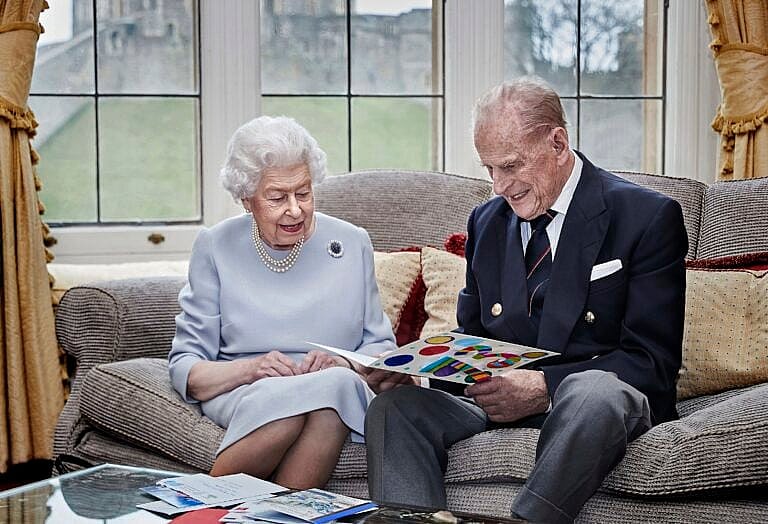
According to Vickers’ detailed account, serialized in the Daily Mail, Prince Philip’s declining health became impossible to ignore as early as 2011, when he was rushed to the hospital with chest pains just before Christmas.
Though he recovered quickly after treatment, the moment marked a shift.
Queen Elizabeth II’s concern was evident, especially when she insisted, “I need you for the Diamond Jubilee,” highlighting how central he remained to both her personal life and royal duties.
By 2013, the situation became more serious. After undergoing surgery, doctors made a troubling discovery.
As Vickers explains, “Doctors had detected a shadow on his pancreas, and had cut him right across his stomach,” ultimately determining that it was inoperable pancreatic cancer.
Despite the diagnosis, Prince Philip refused to retreat from public life, returning to engagements not long after, a move that surprised many who believed his duties were over.
Prince Philip Continued Royal Duties Despite Cancer Diagnosis
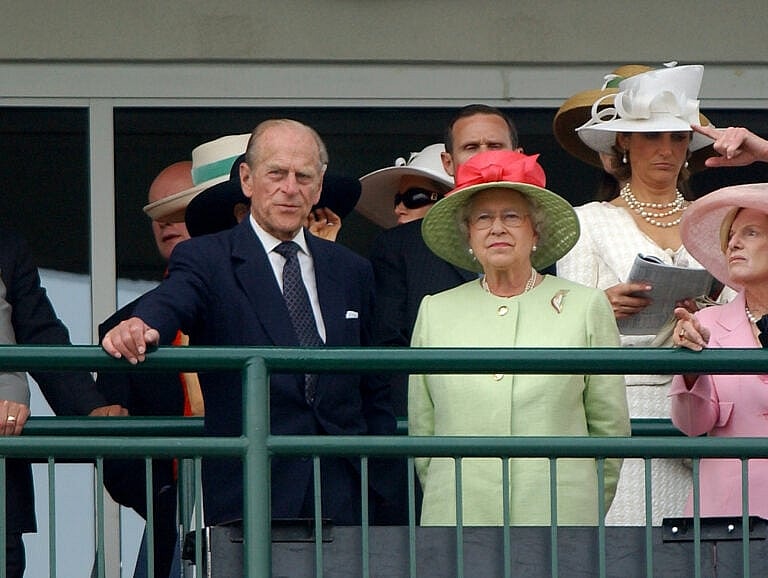
Even as his condition progressed, Prince Philip continued to defy expectations. After a period of recovery, he returned to royal engagements, proving wrong those who believed his public life was over.
At the same time, his dynamic with Queen Elizabeth remained layered. During a media appearance amid his hospitalization, she brushed off concern with a sharp response.
When asked about his condition in an interview, the monarch said, “I’ve no idea. He’s only just gone in.” When pressed further, she added, “That’s because he’s not ill.”
Behind closed doors, however, the reality was far more complex, as both adjusted to the challenges posed by his declining health.
After officially stepping back from royal duties in 2017, the late Duke of Edinburgh settled into a quieter life at Wood Farm, where he spent much of his time reading, painting, and enjoying solitude.
Though the Queen often visited, their lives became more separate.
Prince Philip’s Later Years Showed Both Humor And Declining Strength
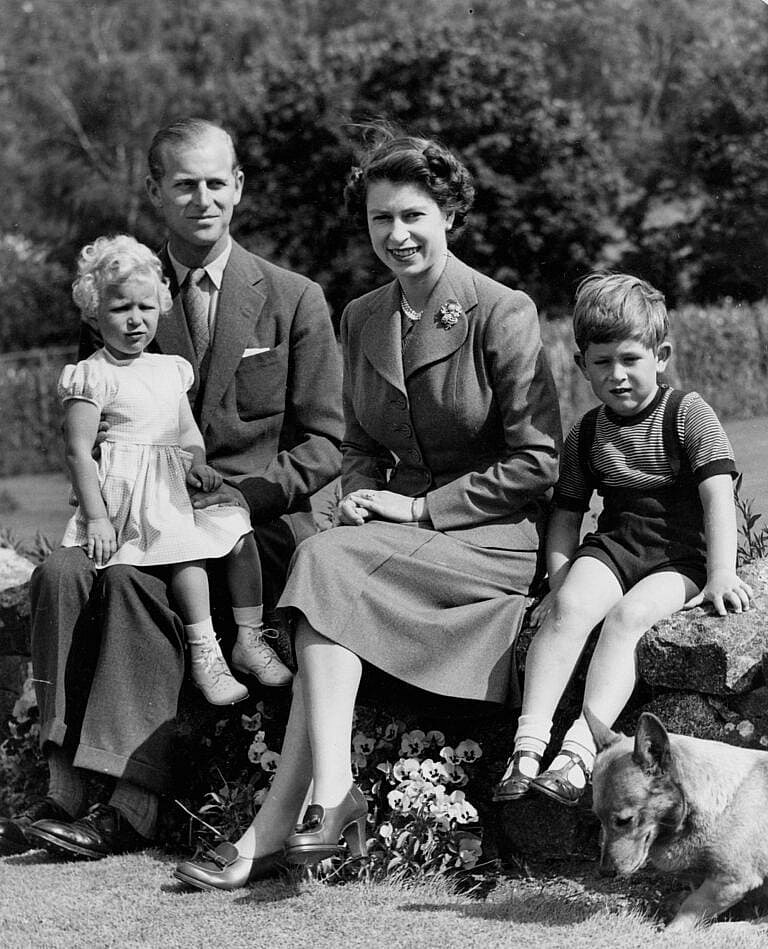
As time passed, Prince Philip’s health challenges became harder to ignore, even as glimpses of his personality remained intact.
During one encounter, when a former aide expressed surprise at seeing him, he responded bluntly, “I’m always here in April,” before later replying “Did I?” when reminded about a letter, a moment that hinted at both wit and declining memory.
At the same time, there were increasing concerns within royal circles, particularly as rumors about his condition intensified.
At one point, speculation suggested his death could be imminent, prompting contingency plans at the highest levels of government.
Yet he continued to defy expectations, making occasional appearances and even traveling, reinforcing the perception that he was determined to carry on in his own way.
At the same time, it became clear he had little interest in reaching his 100th birthday, with reports noting he disliked the attention such milestones would bring.
Prince Philip’s Final Hours Reflected His Independent Nature
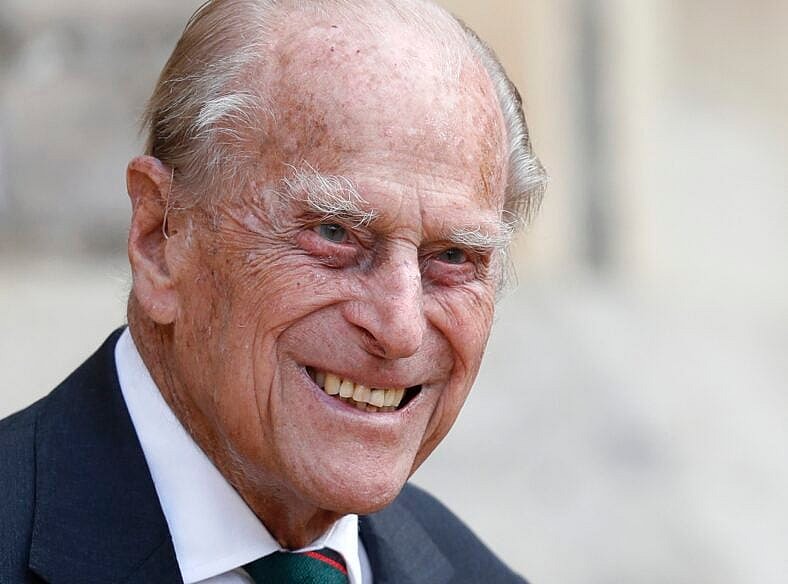
In his last weeks, Prince Philip remained at Windsor Castle, where he spent his final days under medical care but still displaying his trademark independence.
He had undergone additional medical procedures, and at one stage, doctors reportedly came close to losing him.
Despite his fragile condition, he stayed mentally engaged and even continued small personal tasks.
One particularly telling moment came on the night before his death when he reportedly slipped away from medical supervision, “gave his nurses the slip,” and made his way down a corridor to pour himself a drink.
The following morning, his routine appeared normal. He got up, bathed, and mentioned feeling unwell before passing away peacefully.
By that point, he had lived with pancreatic cancer for nearly eight years, far longer than many would have expected given the diagnosis.
Queen Elizabeth II Reacted To Prince Philip’s Final Act Without Warning
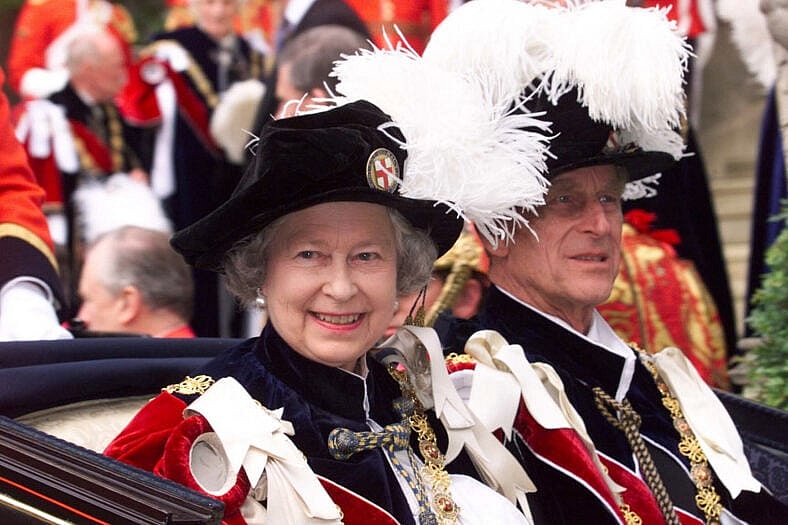
While the public witnessed a composed Queen Elizabeth in the aftermath of her husband’s death, Vickers’ account reveals a far more personal reaction behind the scenes.
The monarch was not present at the moment he passed, something that echoed a pattern throughout their marriage.
On previous occasions, she had asked to be informed when he was leaving, only to be told, “His Royal Highness left 20 minutes ago.”
This time, the absence carried greater emotional weight. According to the biography, she was “absolutely furious that, as so often in life, [Philip] left without saying goodbye.”
Despite that reaction, Queen Elizabeth II quickly returned to her duties, continuing official engagements in the days leading up to his funeral.
The ceremony itself was notably restrained, reflecting both public health restrictions and Prince Philip’s own preference for simplicity.
Comments are closed.